Doctrine you're very smart
?️ PayPal Checkout Method ?️
PayPal is fucking everywhere. Every major retailer every dinky little Shopify store theyre all waving that blue and yellow buttons in your face. But most carders treat PayPal checkouts like kryptonite and for good reason. Those clever bastards at PayPal have been beefing up their anti-fraud systems year after year making it a goddamn nightmare to get through their checkouts.
View attachment 49759
But heres where it gets interesting - Ive been sitting on a method thats been consistently hitting PayPal checkouts for the past two years. This is a fundamental design flaw in their system that they cant just patch away with a quick update. And today Im going to break it down for you step by bloody step.
Disclaimer: The information provided in this writeup and all my writeups and guides are intended for educational purposes only. It is a study of how fraud operates and is not intended to promote, endorse, or facilitate any illegal activities. I cannot be held liable for any actions taken based on this material or any material posted by my account. Please use this information responsibly and do not engage in any criminal activities.
PayPal Checkout Flow
View attachment 49760
Before we dive into the exploit lets break down how PayPals checkout flow actually works. There are two main paths a transaction can take:
PayPal Express Checkout (Immediate Payment)
- Customer hits 'Pay with PayPal' button
- Gets redirected to PayPal for payment
- Payment processes immediately on PayPals end
- Customer returns to store with completed transaction
- No additional confirmation needed
- Common on basic ecommerce sites
PayPal Standard Checkout (Two-Step Process)
- Customer hits 'Pay with PayPal' button
- Gets redirected to PayPal to authorize (but not process) payment
- Returns to merchant site with PayPal token
- Can still modify shipping/billing details
- Must hit final 'Pay Now' button to complete
- Used by larger retailers for flexibility
View attachment 49766
This second flow - the Standard Checkout - is where our vulnerability lies. That gap between authorization and final processing? Thats our golden ticket. The two-step process creates a window of opportunity that PayPals fraud detection cant easily close without breaking legitimate functionality.
ALERT
One of the ways antifraud systems detect and reject your transactions is by looking up if the card has been used in other places. What this means is that cards that are resold across multiple shops, that are often rechecked for validity, will get outright rejected.
Luckily, BinX has a free tool to help you assess if the card you are about to buy is being resold across different shops. And the best part is that it's all FREE:
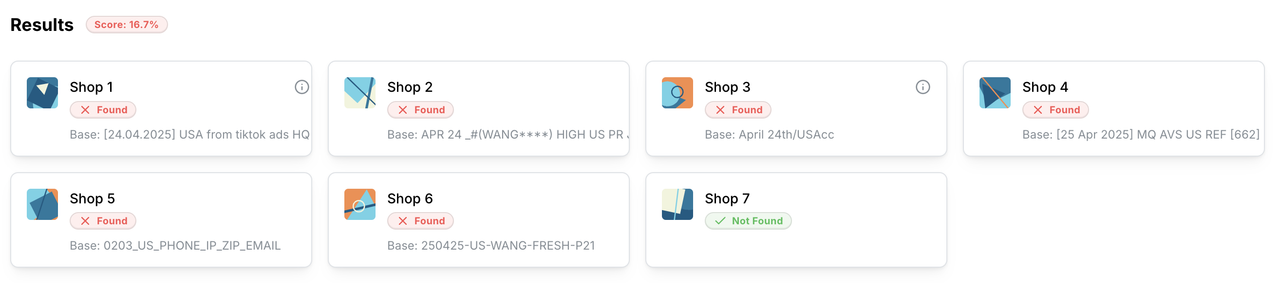
Now you'll know if the card is bad even before you buy it.
Check it out at:
https://binx.cc/tools/resell
BinX.CC | BinX.PW
PayPals Fraud Detection
PayPals fraud detection is a multi-layered beast thats been fine-tuned over decades of fighting fraudsters. At its core its built around one critical insight - shipping addresses dont lie. While most payment processors obsess over browser fingerprints and IP PayPal knows that physical orders leave a paper trail you cant fake. Theyve built an extensive database of trusted delivery locations tied to every PayPal account and card thats ever touched their system.
Think about it - that $5 shit card youre trying to use? Chances are its legitimate owner has ordered something through PayPal at some point in their life. PayPal already knows their home address their work address their moms house where they ship Christmas presents. Every successful transaction leaves a footprint in PayPals massive web of trusted locations. When you try to ship that 65-inch TV to some random address theyve never seen before alarm bells start ringing.
This obsession with shipping addresses extends beyond just individual transaction history. PayPals algorithms analyze delivery locations across their entire network building heat maps of legitimate commerce versus suspicious activity. They know which zip codes have high fraud rates which addresses are associated with drops even which buildings tend to see unusual shipping patterns. Your seemingly innocent order gets run through this long list of location-based risk factors before it ever hits the payment processing stage.
But what makes PayPals fraud detection truly formidable is how it combines this shipping intelligence with their massive user data set. Nearly every adult in the US has interacted with PayPal at some point - whether through direct purchases receiving payments or just creating an account they never used. Each of these interactions feeds into their risk models creating an intricate web of trusted relationships and verified behaviors thats nearly impossible to penetrate with traditional carding techniques.
Why Bill=Ship Trick Doesn't Work
GET YOUR CARDS HERE
Good luck. Unlike regular credit card transactions most sites wont let you change jack shit once a PayPal payment goes through. And theres a damn good reason for that - PayPal is basically their fraud-free guarantee.
Think about it: When you pay with a credit card sites put you through a fraud checks upon fraud checks and all sorts of verification bullshit. But pay with PayPal? That shit gets packed and shipped next day no questions asked. Why? Because these merchants know PayPals fraud detection is god-tier. Theyve seen PayPals track record of shutting down fraudsters and they trust it more than their own mothers.
The merchants logic is simple: Nobodys stupid enough to try carding through PayPal. The risk models are too sophisticated and the data set is too massive. So when they see a PayPal payment come through they treat it like its blessed by the fraud prevention gods themselves as long as no info is changed after payment.
The Shipping Address Switcharoo
Heres where shit gets interesting. Remember that two-step PayPal Standard Checkout flow we talked about? That gap between authorization and final processing isnt just a quirk - its our fucking hammer. To better get the point across lets illustrate it with a random Shopify store.
View attachment 49771
When youre dealing with a Shopify store using PayPal Standard Checkout heres how were gonna fuck with their system:
- Add your shit to cart and proceed to checkout
- At shipping info enter the CARDHOLDERS REAL ADDRESS
- This is crucial - PayPal needs to see an address they trust
- Make sure it matches what PayPal has on records for the card
- Click 'Next' and on the payment page hit that 'Pay with PayPal' button
- PayPal sees a trusted shipping address
- Their fraud detection gets a warm fuzzy feeling
- Authorization goes through clean as a whistle
- Heres where the magic happens:
- After PayPal authorization but BEFORE final confirmation
- Shopify will let you 'review' (unless the store uses Express Checkout in which case it will proceed with the transaction instantly) your order one last time
- This is when you switch that shipping address to your drop
- PayPals already given their blessing they aint checking again
- Smash that final 'Pay Now' button
- Transaction processes through PayPals pre-authorized token
- Shopify gets your updated shipping info
- Package heads to your drop instead of the cardholder
How and Why This Works Like A Charm
*** Hidden text: cannot be quoted. ***
Final Thoughts
So there you have it - the holy grail carding PayPal checkout laid bare. Were not just throwing shit at the wall here and hoping something sticks. This is calculated precise exploitation of a fundamental flaw in their checkout flow.
Remember though - this aint some 'get rich quick' bullshit. PayPals fraud detection is still a beast.
And for fucks sake keep your OPSEC tight. Mix up your drops vary your purchase amounts and never reuse the same PayPal account twice.
Class dismissed. Now go make that money - just dont come crying to me when you fuck it up by cutting corners.
d0ctrine out.



You are using an out of date browser. It may not display this or other websites correctly.
You should upgrade or use an alternative browser.
You should upgrade or use an alternative browser.
Carding PayPal Checkout Method
- Thread starter d0ctrine
- Start date
-
- Tags
- paypal address verification system paypal antifraud system paypal carding success guide paypal carding success rate paypal carding tutorial paypal checkout method 2024 paypal checkout vulnerability paypal drop shipping method paypal fraud detection bypass paypal fraud prevention bypass paypal merchant protection bypass paypal shipping address trick paypal standard checkout exploit paypal transaction security paypal two-step verification exploit



tajriskeditall
Carding Novice
- Joined
- 15.05.26
- Messages
- 6
- Reaction score
- 0
- Points
- 1
yoo wtw i hope this works man
Thank
?️ PayPal Checkout Method ?️
PayPal is fucking everywhere. Every major retailer every dinky little Shopify store theyre all waving that blue and yellow buttons in your face. But most carders treat PayPal checkouts like kryptonite and for good reason. Those clever bastards at PayPal have been beefing up their anti-fraud systems year after year making it a goddamn nightmare to get through their checkouts.
View attachment 49759
But heres where it gets interesting - Ive been sitting on a method thats been consistently hitting PayPal checkouts for the past two years. This is a fundamental design flaw in their system that they cant just patch away with a quick update. And today Im going to break it down for you step by bloody step.
Disclaimer: The information provided in this writeup and all my writeups and guides are intended for educational purposes only. It is a study of how fraud operates and is not intended to promote, endorse, or facilitate any illegal activities. I cannot be held liable for any actions taken based on this material or any material posted by my account. Please use this information responsibly and do not engage in any criminal activities.
PayPal Checkout Flow
View attachment 49760
Before we dive into the exploit lets break down how PayPals checkout flow actually works. There are two main paths a transaction can take:
PayPal Express Checkout (Immediate Payment)
- Customer hits 'Pay with PayPal' button
- Gets redirected to PayPal for payment
- Payment processes immediately on PayPals end
- Customer returns to store with completed transaction
- No additional confirmation needed
- Common on basic ecommerce sites
PayPal Standard Checkout (Two-Step Process)
- Customer hits 'Pay with PayPal' button
- Gets redirected to PayPal to authorize (but not process) payment
- Returns to merchant site with PayPal token
- Can still modify shipping/billing details
- Must hit final 'Pay Now' button to complete
- Used by larger retailers for flexibility
View attachment 49766
This second flow - the Standard Checkout - is where our vulnerability lies. That gap between authorization and final processing? Thats our golden ticket. The two-step process creates a window of opportunity that PayPals fraud detection cant easily close without breaking legitimate functionality.
One of the ways antifraud systems detect and reject your transactions is by looking up if the card has been used in other places. What this means is that cards that are resold across multiple shops, that are often rechecked for validity, will get outright rejected.
Luckily, BinX has a free tool to help you assess if the card you are about to buy is being resold across different shops. And the best part is that it's all FREE:
Now you'll know if the card is bad even before you buy it.
Check it out at:
https://binx.cc/tools/resell
BinX.CC | BinX.PW
PayPals Fraud Detection
PayPals fraud detection is a multi-layered beast thats been fine-tuned over decades of fighting fraudsters. At its core its built around one critical insight - shipping addresses dont lie. While most payment processors obsess over browser fingerprints and IP PayPal knows that physical orders leave a paper trail you cant fake. Theyve built an extensive database of trusted delivery locations tied to every PayPal account and card thats ever touched their system.
Think about it - that $5 shit card youre trying to use? Chances are its legitimate owner has ordered something through PayPal at some point in their life. PayPal already knows their home address their work address their moms house where they ship Christmas presents. Every successful transaction leaves a footprint in PayPals massive web of trusted locations. When you try to ship that 65-inch TV to some random address theyve never seen before alarm bells start ringing.
This obsession with shipping addresses extends beyond just individual transaction history. PayPals algorithms analyze delivery locations across their entire network building heat maps of legitimate commerce versus suspicious activity. They know which zip codes have high fraud rates which addresses are associated with drops even which buildings tend to see unusual shipping patterns. Your seemingly innocent order gets run through this long list of location-based risk factors before it ever hits the payment processing stage.
But what makes PayPals fraud detection truly formidable is how it combines this shipping intelligence with their massive user data set. Nearly every adult in the US has interacted with PayPal at some point - whether through direct purchases receiving payments or just creating an account they never used. Each of these interactions feeds into their risk models creating an intricate web of trusted relationships and verified behaviors thats nearly impossible to penetrate with traditional carding techniques.
Why Bill=Ship Trick Doesn't Work
GET YOUR CARDS HERE
Good luck. Unlike regular credit card transactions most sites wont let you change jack shit once a PayPal payment goes through. And theres a damn good reason for that - PayPal is basically their fraud-free guarantee.
Think about it: When you pay with a credit card sites put you through a fraud checks upon fraud checks and all sorts of verification bullshit. But pay with PayPal? That shit gets packed and shipped next day no questions asked. Why? Because these merchants know PayPals fraud detection is god-tier. Theyve seen PayPals track record of shutting down fraudsters and they trust it more than their own mothers.
The merchants logic is simple: Nobodys stupid enough to try carding through PayPal. The risk models are too sophisticated and the data set is too massive. So when they see a PayPal payment come through they treat it like its blessed by the fraud prevention gods themselves as long as no info is changed after payment.
The Shipping Address Switcharoo
Heres where shit gets interesting. Remember that two-step PayPal Standard Checkout flow we talked about? That gap between authorization and final processing isnt just a quirk - its our fucking hammer. To better get the point across lets illustrate it with a random Shopify store.
View attachment 49771
When youre dealing with a Shopify store using PayPal Standard Checkout heres how were gonna fuck with their system:
- Add your shit to cart and proceed to checkout
- At shipping info enter the CARDHOLDERS REAL ADDRESS
- This is crucial - PayPal needs to see an address they trust
- Make sure it matches what PayPal has on records for the card
- Click 'Next' and on the payment page hit that 'Pay with PayPal' button
- PayPal sees a trusted shipping address
- Their fraud detection gets a warm fuzzy feeling
- Authorization goes through clean as a whistle
- Heres where the magic happens:
- After PayPal authorization but BEFORE final confirmation
- Shopify will let you 'review' (unless the store uses Express Checkout in which case it will proceed with the transaction instantly) your order one last time
- This is when you switch that shipping address to your drop
- PayPals already given their blessing they aint checking again
- Smash that final 'Pay Now' button
- Transaction processes through PayPals pre-authorized token
- Shopify gets your updated shipping info
- Package heads to your drop instead of the cardholder
How and Why This Works Like A Charm
*** Hidden text: cannot be quoted. ***
Final Thoughts
So there you have it - the holy grail carding PayPal checkout laid bare. Were not just throwing shit at the wall here and hoping something sticks. This is calculated precise exploitation of a fundamental flaw in their checkout flow.
Remember though - this aint some 'get rich quick' bullshit. PayPals fraud detection is still a beast.
And for fucks sake keep your OPSEC tight. Mix up your drops vary your purchase amounts and never reuse the same PayPal account twice.
Class dismissed. Now go make that money - just dont come crying to me when you fuck it up by cutting corners.
d0ctrine out.
t
hx
?️ PayPal Checkout Method ?️
PayPal is fucking everywhere. Every major retailer every dinky little Shopify store theyre all waving that blue and yellow buttons in your face. But most carders treat PayPal checkouts like kryptonite and for good reason. Those clever bastards at PayPal have been beefing up their anti-fraud systems year after year making it a goddamn nightmare to get through their checkouts.
View attachment 49759
But heres where it gets interesting - Ive been sitting on a method thats been consistently hitting PayPal checkouts for the past two years. This is a fundamental design flaw in their system that they cant just patch away with a quick update. And today Im going to break it down for you step by bloody step.
Disclaimer: The information provided in this writeup and all my writeups and guides are intended for educational purposes only. It is a study of how fraud operates and is not intended to promote, endorse, or facilitate any illegal activities. I cannot be held liable for any actions taken based on this material or any material posted by my account. Please use this information responsibly and do not engage in any criminal activities.
PayPal Checkout Flow
View attachment 49760
Before we dive into the exploit lets break down how PayPals checkout flow actually works. There are two main paths a transaction can take:
PayPal Express Checkout (Immediate Payment)
- Customer hits 'Pay with PayPal' button
- Gets redirected to PayPal for payment
- Payment processes immediately on PayPals end
- Customer returns to store with completed transaction
- No additional confirmation needed
- Common on basic ecommerce sites
PayPal Standard Checkout (Two-Step Process)
- Customer hits 'Pay with PayPal' button
- Gets redirected to PayPal to authorize (but not process) payment
- Returns to merchant site with PayPal token
- Can still modify shipping/billing details
- Must hit final 'Pay Now' button to complete
- Used by larger retailers for flexibility
View attachment 49766
This second flow - the Standard Checkout - is where our vulnerability lies. That gap between authorization and final processing? Thats our golden ticket. The two-step process creates a window of opportunity that PayPals fraud detection cant easily close without breaking legitimate functionality.
One of the ways antifraud systems detect and reject your transactions is by looking up if the card has been used in other places. What this means is that cards that are resold across multiple shops, that are often rechecked for validity, will get outright rejected.
Luckily, BinX has a free tool to help you assess if the card you are about to buy is being resold across different shops. And the best part is that it's all FREE:
Now you'll know if the card is bad even before you buy it.
Check it out at:
https://binx.cc/tools/resell
BinX.CC | BinX.PW
PayPals Fraud Detection
PayPals fraud detection is a multi-layered beast thats been fine-tuned over decades of fighting fraudsters. At its core its built around one critical insight - shipping addresses dont lie. While most payment processors obsess over browser fingerprints and IP PayPal knows that physical orders leave a paper trail you cant fake. Theyve built an extensive database of trusted delivery locations tied to every PayPal account and card thats ever touched their system.
Think about it - that $5 shit card youre trying to use? Chances are its legitimate owner has ordered something through PayPal at some point in their life. PayPal already knows their home address their work address their moms house where they ship Christmas presents. Every successful transaction leaves a footprint in PayPals massive web of trusted locations. When you try to ship that 65-inch TV to some random address theyve never seen before alarm bells start ringing.
This obsession with shipping addresses extends beyond just individual transaction history. PayPals algorithms analyze delivery locations across their entire network building heat maps of legitimate commerce versus suspicious activity. They know which zip codes have high fraud rates which addresses are associated with drops even which buildings tend to see unusual shipping patterns. Your seemingly innocent order gets run through this long list of location-based risk factors before it ever hits the payment processing stage.
But what makes PayPals fraud detection truly formidable is how it combines this shipping intelligence with their massive user data set. Nearly every adult in the US has interacted with PayPal at some point - whether through direct purchases receiving payments or just creating an account they never used. Each of these interactions feeds into their risk models creating an intricate web of trusted relationships and verified behaviors thats nearly impossible to penetrate with traditional carding techniques.
Why Bill=Ship Trick Doesn't Work
GET YOUR CARDS HERE
Good luck. Unlike regular credit card transactions most sites wont let you change jack shit once a PayPal payment goes through. And theres a damn good reason for that - PayPal is basically their fraud-free guarantee.
Think about it: When you pay with a credit card sites put you through a fraud checks upon fraud checks and all sorts of verification bullshit. But pay with PayPal? That shit gets packed and shipped next day no questions asked. Why? Because these merchants know PayPals fraud detection is god-tier. Theyve seen PayPals track record of shutting down fraudsters and they trust it more than their own mothers.
The merchants logic is simple: Nobodys stupid enough to try carding through PayPal. The risk models are too sophisticated and the data set is too massive. So when they see a PayPal payment come through they treat it like its blessed by the fraud prevention gods themselves as long as no info is changed after payment.
The Shipping Address Switcharoo
Heres where shit gets interesting. Remember that two-step PayPal Standard Checkout flow we talked about? That gap between authorization and final processing isnt just a quirk - its our fucking hammer. To better get the point across lets illustrate it with a random Shopify store.
View attachment 49771
When youre dealing with a Shopify store using PayPal Standard Checkout heres how were gonna fuck with their system:
- Add your shit to cart and proceed to checkout
- At shipping info enter the CARDHOLDERS REAL ADDRESS
- This is crucial - PayPal needs to see an address they trust
- Make sure it matches what PayPal has on records for the card
- Click 'Next' and on the payment page hit that 'Pay with PayPal' button
- PayPal sees a trusted shipping address
- Their fraud detection gets a warm fuzzy feeling
- Authorization goes through clean as a whistle
- Heres where the magic happens:
- After PayPal authorization but BEFORE final confirmation
- Shopify will let you 'review' (unless the store uses Express Checkout in which case it will proceed with the transaction instantly) your order one last time
- This is when you switch that shipping address to your drop
- PayPals already given their blessing they aint checking again
- Smash that final 'Pay Now' button
- Transaction processes through PayPals pre-authorized token
- Shopify gets your updated shipping info
- Package heads to your drop instead of the cardholder
How and Why This Works Like A Charm
*** Hidden text: cannot be quoted. ***
Final Thoughts
So there you have it - the holy grail carding PayPal checkout laid bare. Were not just throwing shit at the wall here and hoping something sticks. This is calculated precise exploitation of a fundamental flaw in their checkout flow.
Remember though - this aint some 'get rich quick' bullshit. PayPals fraud detection is still a beast.
And for fucks sake keep your OPSEC tight. Mix up your drops vary your purchase amounts and never reuse the same PayPal account twice.
Class dismissed. Now go make that money - just dont come crying to me when you fuck it up by cutting corners.
d0ctrine out.
THX
?️ PayPal Checkout Method ?️
PayPal is fucking everywhere. Every major retailer every dinky little Shopify store theyre all waving that blue and yellow buttons in your face. But most carders treat PayPal checkouts like kryptonite and for good reason. Those clever bastards at PayPal have been beefing up their anti-fraud systems year after year making it a goddamn nightmare to get through their checkouts.
View attachment 49759
But heres where it gets interesting - Ive been sitting on a method thats been consistently hitting PayPal checkouts for the past two years. This is a fundamental design flaw in their system that they cant just patch away with a quick update. And today Im going to break it down for you step by bloody step.
Disclaimer: The information provided in this writeup and all my writeups and guides are intended for educational purposes only. It is a study of how fraud operates and is not intended to promote, endorse, or facilitate any illegal activities. I cannot be held liable for any actions taken based on this material or any material posted by my account. Please use this information responsibly and do not engage in any criminal activities.
PayPal Checkout Flow
View attachment 49760
Before we dive into the exploit lets break down how PayPals checkout flow actually works. There are two main paths a transaction can take:
PayPal Express Checkout (Immediate Payment)
- Customer hits 'Pay with PayPal' button
- Gets redirected to PayPal for payment
- Payment processes immediately on PayPals end
- Customer returns to store with completed transaction
- No additional confirmation needed
- Common on basic ecommerce sites
PayPal Standard Checkout (Two-Step Process)
- Customer hits 'Pay with PayPal' button
- Gets redirected to PayPal to authorize (but not process) payment
- Returns to merchant site with PayPal token
- Can still modify shipping/billing details
- Must hit final 'Pay Now' button to complete
- Used by larger retailers for flexibility
View attachment 49766
This second flow - the Standard Checkout - is where our vulnerability lies. That gap between authorization and final processing? Thats our golden ticket. The two-step process creates a window of opportunity that PayPals fraud detection cant easily close without breaking legitimate functionality.
One of the ways antifraud systems detect and reject your transactions is by looking up if the card has been used in other places. What this means is that cards that are resold across multiple shops, that are often rechecked for validity, will get outright rejected.
Luckily, BinX has a free tool to help you assess if the card you are about to buy is being resold across different shops. And the best part is that it's all FREE:
Now you'll know if the card is bad even before you buy it.
Check it out at:
https://binx.cc/tools/resell
BinX.CC | BinX.PW
PayPals Fraud Detection
PayPals fraud detection is a multi-layered beast thats been fine-tuned over decades of fighting fraudsters. At its core its built around one critical insight - shipping addresses dont lie. While most payment processors obsess over browser fingerprints and IP PayPal knows that physical orders leave a paper trail you cant fake. Theyve built an extensive database of trusted delivery locations tied to every PayPal account and card thats ever touched their system.
Think about it - that $5 shit card youre trying to use? Chances are its legitimate owner has ordered something through PayPal at some point in their life. PayPal already knows their home address their work address their moms house where they ship Christmas presents. Every successful transaction leaves a footprint in PayPals massive web of trusted locations. When you try to ship that 65-inch TV to some random address theyve never seen before alarm bells start ringing.
This obsession with shipping addresses extends beyond just individual transaction history. PayPals algorithms analyze delivery locations across their entire network building heat maps of legitimate commerce versus suspicious activity. They know which zip codes have high fraud rates which addresses are associated with drops even which buildings tend to see unusual shipping patterns. Your seemingly innocent order gets run through this long list of location-based risk factors before it ever hits the payment processing stage.
But what makes PayPals fraud detection truly formidable is how it combines this shipping intelligence with their massive user data set. Nearly every adult in the US has interacted with PayPal at some point - whether through direct purchases receiving payments or just creating an account they never used. Each of these interactions feeds into their risk models creating an intricate web of trusted relationships and verified behaviors thats nearly impossible to penetrate with traditional carding techniques.
Why Bill=Ship Trick Doesn't Work
GET YOUR CARDS HERE
Good luck. Unlike regular credit card transactions most sites wont let you change jack shit once a PayPal payment goes through. And theres a damn good reason for that - PayPal is basically their fraud-free guarantee.
Think about it: When you pay with a credit card sites put you through a fraud checks upon fraud checks and all sorts of verification bullshit. But pay with PayPal? That shit gets packed and shipped next day no questions asked. Why? Because these merchants know PayPals fraud detection is god-tier. Theyve seen PayPals track record of shutting down fraudsters and they trust it more than their own mothers.
The merchants logic is simple: Nobodys stupid enough to try carding through PayPal. The risk models are too sophisticated and the data set is too massive. So when they see a PayPal payment come through they treat it like its blessed by the fraud prevention gods themselves as long as no info is changed after payment.
The Shipping Address Switcharoo
Heres where shit gets interesting. Remember that two-step PayPal Standard Checkout flow we talked about? That gap between authorization and final processing isnt just a quirk - its our fucking hammer. To better get the point across lets illustrate it with a random Shopify store.
View attachment 49771
When youre dealing with a Shopify store using PayPal Standard Checkout heres how were gonna fuck with their system:
- Add your shit to cart and proceed to checkout
- At shipping info enter the CARDHOLDERS REAL ADDRESS
- This is crucial - PayPal needs to see an address they trust
- Make sure it matches what PayPal has on records for the card
- Click 'Next' and on the payment page hit that 'Pay with PayPal' button
- PayPal sees a trusted shipping address
- Their fraud detection gets a warm fuzzy feeling
- Authorization goes through clean as a whistle
- Heres where the magic happens:
- After PayPal authorization but BEFORE final confirmation
- Shopify will let you 'review' (unless the store uses Express Checkout in which case it will proceed with the transaction instantly) your order one last time
- This is when you switch that shipping address to your drop
- PayPals already given their blessing they aint checking again
- Smash that final 'Pay Now' button
- Transaction processes through PayPals pre-authorized token
- Shopify gets your updated shipping info
- Package heads to your drop instead of the cardholder
How and Why This Works Like A Charm
*** Hidden text: cannot be quoted. ***
Final Thoughts
So there you have it - the holy grail carding PayPal checkout laid bare. Were not just throwing shit at the wall here and hoping something sticks. This is calculated precise exploitation of a fundamental flaw in their checkout flow.
Remember though - this aint some 'get rich quick' bullshit. PayPals fraud detection is still a beast.
And for fucks sake keep your OPSEC tight. Mix up your drops vary your purchase amounts and never reuse the same PayPal account twice.
Class dismissed. Now go make that money - just dont come crying to me when you fuck it up by cutting corners.
d0ctrine out.
Masonballer
Carding Novice
- Joined
- 07.08.26
- Messages
- 3
- Reaction score
- 0
- Points
- 1
Cc express website is very amazing check it out yourselves https://ccexpress.at/
?️ PayPal Checkout Method ?️
PayPal is fucking everywhere. Every major retailer every dinky little Shopify store theyre all waving that blue and yellow buttons in your face. But most carders treat PayPal checkouts like kryptonite and for good reason. Those clever bastards at PayPal have been beefing up their anti-fraud systems year after year making it a goddamn nightmare to get through their checkouts.
View attachment 49759
But heres where it gets interesting - Ive been sitting on a method thats been consistently hitting PayPal checkouts for the past two years. This is a fundamental design flaw in their system that they cant just patch away with a quick update. And today Im going to break it down for you step by bloody step.
Disclaimer: The information provided in this writeup and all my writeups and guides are intended for educational purposes only. It is a study of how fraud operates and is not intended to promote, endorse, or facilitate any illegal activities. I cannot be held liable for any actions taken based on this material or any material posted by my account. Please use this information responsibly and do not engage in any criminal activities.
PayPal Checkout Flow
View attachment 49760
Before we dive into the exploit lets break down how PayPals checkout flow actually works. There are two main paths a transaction can take:
PayPal Express Checkout (Immediate Payment)
- Customer hits 'Pay with PayPal' button
- Gets redirected to PayPal for payment
- Payment processes immediately on PayPals end
- Customer returns to store with completed transaction
- No additional confirmation needed
- Common on basic ecommerce sites
PayPal Standard Checkout (Two-Step Process)
- Customer hits 'Pay with PayPal' button
- Gets redirected to PayPal to authorize (but not process) payment
- Returns to merchant site with PayPal token
- Can still modify shipping/billing details
- Must hit final 'Pay Now' button to complete
- Used by larger retailers for flexibility
View attachment 49766
This second flow - the Standard Checkout - is where our vulnerability lies. That gap between authorization and final processing? Thats our golden ticket. The two-step process creates a window of opportunity that PayPals fraud detection cant easily close without breaking legitimate functionality.
One of the ways antifraud systems detect and reject your transactions is by looking up if the card has been used in other places. What this means is that cards that are resold across multiple shops, that are often rechecked for validity, will get outright rejected.
Luckily, BinX has a free tool to help you assess if the card you are about to buy is being resold across different shops. And the best part is that it's all FREE:
Now you'll know if the card is bad even before you buy it.
Check it out at:
https://binx.cc/tools/resell
BinX.CC | BinX.PW
PayPals Fraud Detection
PayPals fraud detection is a multi-layered beast thats been fine-tuned over decades of fighting fraudsters. At its core its built around one critical insight - shipping addresses dont lie. While most payment processors obsess over browser fingerprints and IP PayPal knows that physical orders leave a paper trail you cant fake. Theyve built an extensive database of trusted delivery locations tied to every PayPal account and card thats ever touched their system.
Think about it - that $5 shit card youre trying to use? Chances are its legitimate owner has ordered something through PayPal at some point in their life. PayPal already knows their home address their work address their moms house where they ship Christmas presents. Every successful transaction leaves a footprint in PayPals massive web of trusted locations. When you try to ship that 65-inch TV to some random address theyve never seen before alarm bells start ringing.
This obsession with shipping addresses extends beyond just individual transaction history. PayPals algorithms analyze delivery locations across their entire network building heat maps of legitimate commerce versus suspicious activity. They know which zip codes have high fraud rates which addresses are associated with drops even which buildings tend to see unusual shipping patterns. Your seemingly innocent order gets run through this long list of location-based risk factors before it ever hits the payment processing stage.
But what makes PayPals fraud detection truly formidable is how it combines this shipping intelligence with their massive user data set. Nearly every adult in the US has interacted with PayPal at some point - whether through direct purchases receiving payments or just creating an account they never used. Each of these interactions feeds into their risk models creating an intricate web of trusted relationships and verified behaviors thats nearly impossible to penetrate with traditional carding techniques.
Why Bill=Ship Trick Doesn't Work
GET YOUR CARDS HERE
Good luck. Unlike regular credit card transactions most sites wont let you change jack shit once a PayPal payment goes through. And theres a damn good reason for that - PayPal is basically their fraud-free guarantee.
Think about it: When you pay with a credit card sites put you through a fraud checks upon fraud checks and all sorts of verification bullshit. But pay with PayPal? That shit gets packed and shipped next day no questions asked. Why? Because these merchants know PayPals fraud detection is god-tier. Theyve seen PayPals track record of shutting down fraudsters and they trust it more than their own mothers.
The merchants logic is simple: Nobodys stupid enough to try carding through PayPal. The risk models are too sophisticated and the data set is too massive. So when they see a PayPal payment come through they treat it like its blessed by the fraud prevention gods themselves as long as no info is changed after payment.
The Shipping Address Switcharoo
Heres where shit gets interesting. Remember that two-step PayPal Standard Checkout flow we talked about? That gap between authorization and final processing isnt just a quirk - its our fucking hammer. To better get the point across lets illustrate it with a random Shopify store.
View attachment 49771
Cuando estés tratando con una tienda Shopify que utilice PayPal Standard Checkout, así es como vamos a fastidiar su sistema:
- Agrega tus cosas al carrito y procede al pago.
- En la información de envío, ingrese la DIRECCIÓN REAL DEL TITULAR DE LA TARJETA.
- Esto es crucial: PayPal necesita ver una dirección en la que confíe.
- Asegúrate de que coincida con la información que PayPal tiene registrada para la tarjeta.
- Haz clic en "Siguiente" y en la página de pago pulsa el botón "Pagar con PayPal".
- PayPal ve una dirección de envío de confianza.
- Su sistema de detección de fraudes genera una sensación agradable.
- La autorización se tramita sin problemas.
- Aquí es donde ocurre la magia:
- Después de la autorización de PayPal pero ANTES de la confirmación final.
- Shopify te permitirá "revisar" tu pedido por última vez (a menos que la tienda utilice Express Checkout, en cuyo caso la transacción se procesará instantáneamente).
- Aquí es cuando cambias esa dirección de envío a tu punto de entrega.
- PayPal ya dio su aprobación, no volverán a comprobarlo.
- Pulsa ese último botón de "Pagar ahora"
- Las transacciones se procesan mediante el token preautorizado de PayPal.
- Shopify obtiene tu información de envío actualizada.
- El paquete se dirige a tu destino en lugar de al titular de la tarjeta.
Cómo y por qué esto funciona de maravilla
*** Texto oculto: no se puede citar. ***
Reflexiones finales
Ahí lo tienen: el santo grial del fraude con tarjetas en PayPal al descubierto. No estamos simplemente lanzando basura al azar esperando que algo funcione. Se trata de una explotación calculada y precisa de una falla fundamental en su proceso de pago.
Recuerda, sin embargo, que esto no es ninguna estafa para hacerse rico rápidamente. El sistema de detección de fraudes de PayPal sigue siendo muy eficaz.
Y por el amor de Dios, mantén tu OPSEC bien estricta. Varía tus compras , cambia los montos y nunca uses la misma cuenta de PayPal dos veces.
Clase terminada. Ahora ve a ganar dinero, pero no vengas a quejarte conmigo cuando lo eches a perder por hacer trampa.
doctrina f
Gracias
?️ PayPal Checkout Method ?️
PayPal is fucking everywhere. Every major retailer every dinky little Shopify store theyre all waving that blue and yellow buttons in your face. But most carders treat PayPal checkouts like kryptonite and for good reason. Those clever bastards at PayPal have been beefing up their anti-fraud systems year after year making it a goddamn nightmare to get through their checkouts.
View attachment 49759
But heres where it gets interesting - Ive been sitting on a method thats been consistently hitting PayPal checkouts for the past two years. This is a fundamental design flaw in their system that they cant just patch away with a quick update. And today Im going to break it down for you step by bloody step.
Disclaimer: The information provided in this writeup and all my writeups and guides are intended for educational purposes only. It is a study of how fraud operates and is not intended to promote, endorse, or facilitate any illegal activities. I cannot be held liable for any actions taken based on this material or any material posted by my account. Please use this information responsibly and do not engage in any criminal activities.
PayPal Checkout Flow
View attachment 49760
Before we dive into the exploit lets break down how PayPals checkout flow actually works. There are two main paths a transaction can take:
PayPal Express Checkout (Immediate Payment)
- Customer hits 'Pay with PayPal' button
- Gets redirected to PayPal for payment
- Payment processes immediately on PayPals end
- Customer returns to store with completed transaction
- No additional confirmation needed
- Common on basic ecommerce sites
PayPal Standard Checkout (Two-Step Process)
- Customer hits 'Pay with PayPal' button
- Gets redirected to PayPal to authorize (but not process) payment
- Returns to merchant site with PayPal token
- Can still modify shipping/billing details
- Must hit final 'Pay Now' button to complete
- Used by larger retailers for flexibility
View attachment 49766
This second flow - the Standard Checkout - is where our vulnerability lies. That gap between authorization and final processing? Thats our golden ticket. The two-step process creates a window of opportunity that PayPals fraud detection cant easily close without breaking legitimate functionality.
One of the ways antifraud systems detect and reject your transactions is by looking up if the card has been used in other places. What this means is that cards that are resold across multiple shops, that are often rechecked for validity, will get outright rejected.
Luckily, BinX has a free tool to help you assess if the card you are about to buy is being resold across different shops. And the best part is that it's all FREE:
Now you'll know if the card is bad even before you buy it.
Check it out at:
https://binx.cc/tools/resell
BinX.CC | BinX.PW
PayPals Fraud Detection
PayPals fraud detection is a multi-layered beast thats been fine-tuned over decades of fighting fraudsters. At its core its built around one critical insight - shipping addresses dont lie. While most payment processors obsess over browser fingerprints and IP PayPal knows that physical orders leave a paper trail you cant fake. Theyve built an extensive database of trusted delivery locations tied to every PayPal account and card thats ever touched their system.
Think about it - that $5 shit card youre trying to use? Chances are its legitimate owner has ordered something through PayPal at some point in their life. PayPal already knows their home address their work address their moms house where they ship Christmas presents. Every successful transaction leaves a footprint in PayPals massive web of trusted locations. When you try to ship that 65-inch TV to some random address theyve never seen before alarm bells start ringing.
This obsession with shipping addresses extends beyond just individual transaction history. PayPals algorithms analyze delivery locations across their entire network building heat maps of legitimate commerce versus suspicious activity. They know which zip codes have high fraud rates which addresses are associated with drops even which buildings tend to see unusual shipping patterns. Your seemingly innocent order gets run through this long list of location-based risk factors before it ever hits the payment processing stage.
But what makes PayPals fraud detection truly formidable is how it combines this shipping intelligence with their massive user data set. Nearly every adult in the US has interacted with PayPal at some point - whether through direct purchases receiving payments or just creating an account they never used. Each of these interactions feeds into their risk models creating an intricate web of trusted relationships and verified behaviors thats nearly impossible to penetrate with traditional carding techniques.
Why Bill=Ship Trick Doesn't Work
GET YOUR CARDS HERE
Good luck. Unlike regular credit card transactions most sites wont let you change jack shit once a PayPal payment goes through. And theres a damn good reason for that - PayPal is basically their fraud-free guarantee.
Think about it: When you pay with a credit card sites put you through a fraud checks upon fraud checks and all sorts of verification bullshit. But pay with PayPal? That shit gets packed and shipped next day no questions asked. Why? Because these merchants know PayPals fraud detection is god-tier. Theyve seen PayPals track record of shutting down fraudsters and they trust it more than their own mothers.
The merchants logic is simple: Nobodys stupid enough to try carding through PayPal. The risk models are too sophisticated and the data set is too massive. So when they see a PayPal payment come through they treat it like its blessed by the fraud prevention gods themselves as long as no info is changed after payment.
The Shipping Address Switcharoo
Heres where shit gets interesting. Remember that two-step PayPal Standard Checkout flow we talked about? That gap between authorization and final processing isnt just a quirk - its our fucking hammer. To better get the point across lets illustrate it with a random Shopify store.
View attachment 49771
When youre dealing with a Shopify store using PayPal Standard Checkout heres how were gonna fuck with their system:
- Add your shit to cart and proceed to checkout
- At shipping info enter the CARDHOLDERS REAL ADDRESS
- This is crucial - PayPal needs to see an address they trust
- Make sure it matches what PayPal has on records for the card
- Click 'Next' and on the payment page hit that 'Pay with PayPal' button
- PayPal sees a trusted shipping address
- Their fraud detection gets a warm fuzzy feeling
- Authorization goes through clean as a whistle
- Heres where the magic happens:
- After PayPal authorization but BEFORE final confirmation
- Shopify will let you 'review' (unless the store uses Express Checkout in which case it will proceed with the transaction instantly) your order one last time
- This is when you switch that shipping address to your drop
- PayPals already given their blessing they aint checking again
- Smash that final 'Pay Now' button
- Transaction processes through PayPals pre-authorized token
- Shopify gets your updated shipping info
- Package heads to your drop instead of the cardholder
How and Why This Works Like A Charm
*** Hidden text: cannot be quoted. ***
Final Thoughts
So there you have it - the holy grail carding PayPal checkout laid bare. Were not just throwing shit at the wall here and hoping something sticks. This is calculated precise exploitation of a fundamental flaw in their checkout flow.
Remember though - this aint some 'get rich quick' bullshit. PayPals fraud detection is still a beast.
And for fucks sake keep your OPSEC tight. Mix up your drops vary your purchase amounts and never reuse the same PayPal account twice.
Class dismissed. Now go make that money - just dont come crying to me when you fuck it up by cutting corners.
d0ctrine out.
unknownwho21
Carding Novice
- Joined
- 26.07.26
- Messages
- 19
- Reaction score
- 2
- Points
- 3
?️ PayPal Checkout Method ?️
PayPal is fucking everywhere. Every major retailer every dinky little Shopify store theyre all waving that blue and yellow buttons in your face. But most carders treat PayPal checkouts like kryptonite and for good reason. Those clever bastards at PayPal have been beefing up their anti-fraud systems year after year making it a goddamn nightmare to get through their checkouts.
View attachment 49759
But heres where it gets interesting - Ive been sitting on a method thats been consistently hitting PayPal checkouts for the past two years. This is a fundamental design flaw in their system that they cant just patch away with a quick update. And today Im going to break it down for you step by bloody step.
Disclaimer: The information provided in this writeup and all my writeups and guides are intended for educational purposes only. It is a study of how fraud operates and is not intended to promote, endorse, or facilitate any illegal activities. I cannot be held liable for any actions taken based on this material or any material posted by my account. Please use this information responsibly and do not engage in any criminal activities.
PayPal Checkout Flow
View attachment 49760
Before we dive into the exploit lets break down how PayPals checkout flow actually works. There are two main paths a transaction can take:
PayPal Express Checkout (Immediate Payment)
- Customer hits 'Pay with PayPal' button
- Gets redirected to PayPal for payment
- Payment processes immediately on PayPals end
- Customer returns to store with completed transaction
- No additional confirmation needed
- Common on basic ecommerce sites
PayPal Standard Checkout (Two-Step Process)
- Customer hits 'Pay with PayPal' button
- Gets redirected to PayPal to authorize (but not process) payment
- Returns to merchant site with PayPal token
- Can still modify shipping/billing details
- Must hit final 'Pay Now' button to complete
- Used by larger retailers for flexibility
View attachment 49766
This second flow - the Standard Checkout - is where our vulnerability lies. That gap between authorization and final processing? Thats our golden ticket. The two-step process creates a window of opportunity that PayPals fraud detection cant easily close without breaking legitimate functionality.
One of the ways antifraud systems detect and reject your transactions is by looking up if the card has been used in other places. What this means is that cards that are resold across multiple shops, that are often rechecked for validity, will get outright rejected.
Luckily, BinX has a free tool to help you assess if the card you are about to buy is being resold across different shops. And the best part is that it's all FREE:
Now you'll know if the card is bad even before you buy it.
Check it out at:
https://binx.cc/tools/resell
BinX.CC | BinX.PW
PayPals Fraud Detection
PayPals fraud detection is a multi-layered beast thats been fine-tuned over decades of fighting fraudsters. At its core its built around one critical insight - shipping addresses dont lie. While most payment processors obsess over browser fingerprints and IP PayPal knows that physical orders leave a paper trail you cant fake. Theyve built an extensive database of trusted delivery locations tied to every PayPal account and card thats ever touched their system.
Think about it - that $5 shit card youre trying to use? Chances are its legitimate owner has ordered something through PayPal at some point in their life. PayPal already knows their home address their work address their moms house where they ship Christmas presents. Every successful transaction leaves a footprint in PayPals massive web of trusted locations. When you try to ship that 65-inch TV to some random address theyve never seen before alarm bells start ringing.
This obsession with shipping addresses extends beyond just individual transaction history. PayPals algorithms analyze delivery locations across their entire network building heat maps of legitimate commerce versus suspicious activity. They know which zip codes have high fraud rates which addresses are associated with drops even which buildings tend to see unusual shipping patterns. Your seemingly innocent order gets run through this long list of location-based risk factors before it ever hits the payment processing stage.
But what makes PayPals fraud detection truly formidable is how it combines this shipping intelligence with their massive user data set. Nearly every adult in the US has interacted with PayPal at some point - whether through direct purchases receiving payments or just creating an account they never used. Each of these interactions feeds into their risk models creating an intricate web of trusted relationships and verified behaviors thats nearly impossible to penetrate with traditional carding techniques.
Why Bill=Ship Trick Doesn't Work
GET YOUR CARDS HERE
Good luck. Unlike regular credit card transactions most sites wont let you change jack shit once a PayPal payment goes through. And theres a damn good reason for that - PayPal is basically their fraud-free guarantee.
Think about it: When you pay with a credit card sites put you through a fraud checks upon fraud checks and all sorts of verification bullshit. But pay with PayPal? That shit gets packed and shipped next day no questions asked. Why? Because these merchants know PayPals fraud detection is god-tier. Theyve seen PayPals track record of shutting down fraudsters and they trust it more than their own mothers.
The merchants logic is simple: Nobodys stupid enough to try carding through PayPal. The risk models are too sophisticated and the data set is too massive. So when they see a PayPal payment come through they treat it like its blessed by the fraud prevention gods themselves as long as no info is changed after payment.
The Shipping Address Switcharoo
Heres where shit gets interesting. Remember that two-step PayPal Standard Checkout flow we talked about? That gap between authorization and final processing isnt just a quirk - its our fucking hammer. To better get the point across lets illustrate it with a random Shopify store.
View attachment 49771
When youre dealing with a Shopify store using PayPal Standard Checkout heres how were gonna fuck with their system:
- Add your shit to cart and proceed to checkout
- At shipping info enter the CARDHOLDERS REAL ADDRESS
- This is crucial - PayPal needs to see an address they trust
- Make sure it matches what PayPal has on records for the card
- Click 'Next' and on the payment page hit that 'Pay with PayPal' button
- PayPal sees a trusted shipping address
- Their fraud detection gets a warm fuzzy feeling
- Authorization goes through clean as a whistle
- Heres where the magic happens:
- After PayPal authorization but BEFORE final confirmation
- Shopify will let you 'review' (unless the store uses Express Checkout in which case it will proceed with the transaction instantly) your order one last time
- This is when you switch that shipping address to your drop
- PayPals already given their blessing they aint checking again
- Smash that final 'Pay Now' button
- Transaction processes through PayPals pre-authorized token
- Shopify gets your updated shipping info
- Package heads to your drop instead of the cardholder
How and Why This Works Like A Charm
*** Hidden text: cannot be quoted. ***
Final Thoughts
So there you have it - the holy grail carding PayPal checkout laid bare. Were not just throwing shit at the wall here and hoping something sticks. This is calculated precise exploitation of a fundamental flaw in their checkout flow.
Remember though - this aint some 'get rich quick' bullshit. PayPals fraud detection is still a beast.
And for fucks sake keep your OPSEC tight. Mix up your drops vary your purchase amounts and never reuse the same PayPal account twice.
Class dismissed. Now go make that money - just dont come crying to me when you fuck it up by cutting corners.
d0ctrine out.
Ok
?️ PayPal Checkout Method ?️
PayPal is fucking everywhere. Every major retailer every dinky little Shopify store theyre all waving that blue and yellow buttons in your face. But most carders treat PayPal checkouts like kryptonite and for good reason. Those clever bastards at PayPal have been beefing up their anti-fraud systems year after year making it a goddamn nightmare to get through their checkouts.
View attachment 49759
But heres where it gets interesting - Ive been sitting on a method thats been consistently hitting PayPal checkouts for the past two years. This is a fundamental design flaw in their system that they cant just patch away with a quick update. And today Im going to break it down for you step by bloody step.
Disclaimer: The information provided in this writeup and all my writeups and guides are intended for educational purposes only. It is a study of how fraud operates and is not intended to promote, endorse, or facilitate any illegal activities. I cannot be held liable for any actions taken based on this material or any material posted by my account. Please use this information responsibly and do not engage in any criminal activities.
PayPal Checkout Flow
View attachment 49760
Before we dive into the exploit lets break down how PayPals checkout flow actually works. There are two main paths a transaction can take:
PayPal Express Checkout (Immediate Payment)
- Customer hits 'Pay with PayPal' button
- Gets redirected to PayPal for payment
- Payment processes immediately on PayPals end
- Customer returns to store with completed transaction
- No additional confirmation needed
- Common on basic ecommerce sites
PayPal Standard Checkout (Two-Step Process)
- Customer hits 'Pay with PayPal' button
- Gets redirected to PayPal to authorize (but not process) payment
- Returns to merchant site with PayPal token
- Can still modify shipping/billing details
- Must hit final 'Pay Now' button to complete
- Used by larger retailers for flexibility
View attachment 49766
This second flow - the Standard Checkout - is where our vulnerability lies. That gap between authorization and final processing? Thats our golden ticket. The two-step process creates a window of opportunity that PayPals fraud detection cant easily close without breaking legitimate functionality.
One of the ways antifraud systems detect and reject your transactions is by looking up if the card has been used in other places. What this means is that cards that are resold across multiple shops, that are often rechecked for validity, will get outright rejected.
Luckily, BinX has a free tool to help you assess if the card you are about to buy is being resold across different shops. And the best part is that it's all FREE:
Now you'll know if the card is bad even before you buy it.
Check it out at:
https://binx.cc/tools/resell
BinX.CC | BinX.PW
PayPals Fraud Detection
PayPals fraud detection is a multi-layered beast thats been fine-tuned over decades of fighting fraudsters. At its core its built around one critical insight - shipping addresses dont lie. While most payment processors obsess over browser fingerprints and IP PayPal knows that physical orders leave a paper trail you cant fake. Theyve built an extensive database of trusted delivery locations tied to every PayPal account and card thats ever touched their system.
Think about it - that $5 shit card youre trying to use? Chances are its legitimate owner has ordered something through PayPal at some point in their life. PayPal already knows their home address their work address their moms house where they ship Christmas presents. Every successful transaction leaves a footprint in PayPals massive web of trusted locations. When you try to ship that 65-inch TV to some random address theyve never seen before alarm bells start ringing.
This obsession with shipping addresses extends beyond just individual transaction history. PayPals algorithms analyze delivery locations across their entire network building heat maps of legitimate commerce versus suspicious activity. They know which zip codes have high fraud rates which addresses are associated with drops even which buildings tend to see unusual shipping patterns. Your seemingly innocent order gets run through this long list of location-based risk factors before it ever hits the payment processing stage.
But what makes PayPals fraud detection truly formidable is how it combines this shipping intelligence with their massive user data set. Nearly every adult in the US has interacted with PayPal at some point - whether through direct purchases receiving payments or just creating an account they never used. Each of these interactions feeds into their risk models creating an intricate web of trusted relationships and verified behaviors thats nearly impossible to penetrate with traditional carding techniques.
Why Bill=Ship Trick Doesn't Work
GET YOUR CARDS HERE
Good luck. Unlike regular credit card transactions most sites wont let you change jack shit once a PayPal payment goes through. And theres a damn good reason for that - PayPal is basically their fraud-free guarantee.
Think about it: When you pay with a credit card sites put you through a fraud checks upon fraud checks and all sorts of verification bullshit. But pay with PayPal? That shit gets packed and shipped next day no questions asked. Why? Because these merchants know PayPals fraud detection is god-tier. Theyve seen PayPals track record of shutting down fraudsters and they trust it more than their own mothers.
The merchants logic is simple: Nobodys stupid enough to try carding through PayPal. The risk models are too sophisticated and the data set is too massive. So when they see a PayPal payment come through they treat it like its blessed by the fraud prevention gods themselves as long as no info is changed after payment.
The Shipping Address Switcharoo
Heres where shit gets interesting. Remember that two-step PayPal Standard Checkout flow we talked about? That gap between authorization and final processing isnt just a quirk - its our fucking hammer. To better get the point across lets illustrate it with a random Shopify store.
View attachment 49771
When youre dealing with a Shopify store using PayPal Standard Checkout heres how were gonna fuck with their system:
- Add your shit to cart and proceed to checkout
- At shipping info enter the CARDHOLDERS REAL ADDRESS
- This is crucial - PayPal needs to see an address they trust
- Make sure it matches what PayPal has on records for the card
- Click 'Next' and on the payment page hit that 'Pay with PayPal' button
- PayPal sees a trusted shipping address
- Their fraud detection gets a warm fuzzy feeling
- Authorization goes through clean as a whistle
- Heres where the magic happens:
- After PayPal authorization but BEFORE final confirmation
- Shopify will let you 'review' (unless the store uses Express Checkout in which case it will proceed with the transaction instantly) your order one last time
- This is when you switch that shipping address to your drop
- PayPals already given their blessing they aint checking again
- Smash that final 'Pay Now' button
- Transaction processes through PayPals pre-authorized token
- Shopify gets your updated shipping info
- Package heads to your drop instead of the cardholder
How and Why This Works Like A Charm
*** Hidden text: cannot be quoted. ***
Final Thoughts
So there you have it - the holy grail carding PayPal checkout laid bare. Were not just throwing shit at the wall here and hoping something sticks. This is calculated precise exploitation of a fundamental flaw in their checkout flow.
Remember though - this aint some 'get rich quick' bullshit. PayPals fraud detection is still a beast.
And for fucks sake keep your OPSEC tight. Mix up your drops vary your purchase amounts and never reuse the same PayPal account twice.
Class dismissed. Now go make that money - just dont come crying to me when you fuck it up by cutting corners.
d0ctrine out.
Thanks
?️ PayPal Checkout Method ?️
PayPal is fucking everywhere. Every major retailer every dinky little Shopify store theyre all waving that blue and yellow buttons in your face. But most carders treat PayPal checkouts like kryptonite and for good reason. Those clever bastards at PayPal have been beefing up their anti-fraud systems year after year making it a goddamn nightmare to get through their checkouts.
View attachment 49759
But heres where it gets interesting - Ive been sitting on a method thats been consistently hitting PayPal checkouts for the past two years. This is a fundamental design flaw in their system that they cant just patch away with a quick update. And today Im going to break it down for you step by bloody step.
Disclaimer: The information provided in this writeup and all my writeups and guides are intended for educational purposes only. It is a study of how fraud operates and is not intended to promote, endorse, or facilitate any illegal activities. I cannot be held liable for any actions taken based on this material or any material posted by my account. Please use this information responsibly and do not engage in any criminal activities.
PayPal Checkout Flow
View attachment 49760
Before we dive into the exploit lets break down how PayPals checkout flow actually works. There are two main paths a transaction can take:
PayPal Express Checkout (Immediate Payment)
- Customer hits 'Pay with PayPal' button
- Gets redirected to PayPal for payment
- Payment processes immediately on PayPals end
- Customer returns to store with completed transaction
- No additional confirmation needed
- Common on basic ecommerce sites
PayPal Standard Checkout (Two-Step Process)
- Customer hits 'Pay with PayPal' button
- Gets redirected to PayPal to authorize (but not process) payment
- Returns to merchant site with PayPal token
- Can still modify shipping/billing details
- Must hit final 'Pay Now' button to complete
- Used by larger retailers for flexibility
View attachment 49766
This second flow - the Standard Checkout - is where our vulnerability lies. That gap between authorization and final processing? Thats our golden ticket. The two-step process creates a window of opportunity that PayPals fraud detection cant easily close without breaking legitimate functionality.
One of the ways antifraud systems detect and reject your transactions is by looking up if the card has been used in other places. What this means is that cards that are resold across multiple shops, that are often rechecked for validity, will get outright rejected.
Luckily, BinX has a free tool to help you assess if the card you are about to buy is being resold across different shops. And the best part is that it's all FREE:
Now you'll know if the card is bad even before you buy it.
Check it out at:
https://binx.cc/tools/resell
BinX.CC | BinX.PW
PayPals Fraud Detection
PayPals fraud detection is a multi-layered beast thats been fine-tuned over decades of fighting fraudsters. At its core its built around one critical insight - shipping addresses dont lie. While most payment processors obsess over browser fingerprints and IP PayPal knows that physical orders leave a paper trail you cant fake. Theyve built an extensive database of trusted delivery locations tied to every PayPal account and card thats ever touched their system.
Think about it - that $5 shit card youre trying to use? Chances are its legitimate owner has ordered something through PayPal at some point in their life. PayPal already knows their home address their work address their moms house where they ship Christmas presents. Every successful transaction leaves a footprint in PayPals massive web of trusted locations. When you try to ship that 65-inch TV to some random address theyve never seen before alarm bells start ringing.
This obsession with shipping addresses extends beyond just individual transaction history. PayPals algorithms analyze delivery locations across their entire network building heat maps of legitimate commerce versus suspicious activity. They know which zip codes have high fraud rates which addresses are associated with drops even which buildings tend to see unusual shipping patterns. Your seemingly innocent order gets run through this long list of location-based risk factors before it ever hits the payment processing stage.
But what makes PayPals fraud detection truly formidable is how it combines this shipping intelligence with their massive user data set. Nearly every adult in the US has interacted with PayPal at some point - whether through direct purchases receiving payments or just creating an account they never used. Each of these interactions feeds into their risk models creating an intricate web of trusted relationships and verified behaviors thats nearly impossible to penetrate with traditional carding techniques.
Why Bill=Ship Trick Doesn't Work
GET YOUR CARDS HERE
Good luck. Unlike regular credit card transactions most sites wont let you change jack shit once a PayPal payment goes through. And theres a damn good reason for that - PayPal is basically their fraud-free guarantee.
Think about it: When you pay with a credit card sites put you through a fraud checks upon fraud checks and all sorts of verification bullshit. But pay with PayPal? That shit gets packed and shipped next day no questions asked. Why? Because these merchants know PayPals fraud detection is god-tier. Theyve seen PayPals track record of shutting down fraudsters and they trust it more than their own mothers.
The merchants logic is simple: Nobodys stupid enough to try carding through PayPal. The risk models are too sophisticated and the data set is too massive. So when they see a PayPal payment come through they treat it like its blessed by the fraud prevention gods themselves as long as no info is changed after payment.
The Shipping Address Switcharoo
Heres where shit gets interesting. Remember that two-step PayPal Standard Checkout flow we talked about? That gap between authorization and final processing isnt just a quirk - its our fucking hammer. To better get the point across lets illustrate it with a random Shopify store.
View attachment 49771
When youre dealing with a Shopify store using PayPal Standard Checkout heres how were gonna fuck with their system:
- Add your shit to cart and proceed to checkout
- At shipping info enter the CARDHOLDERS REAL ADDRESS
- This is crucial - PayPal needs to see an address they trust
- Make sure it matches what PayPal has on records for the card
- Click 'Next' and on the payment page hit that 'Pay with PayPal' button
- PayPal sees a trusted shipping address
- Their fraud detection gets a warm fuzzy feeling
- Authorization goes through clean as a whistle
- Heres where the magic happens:
- After PayPal authorization but BEFORE final confirmation
- Shopify will let you 'review' (unless the store uses Express Checkout in which case it will proceed with the transaction instantly) your order one last time
- This is when you switch that shipping address to your drop
- PayPals already given their blessing they aint checking again
- Smash that final 'Pay Now' button
- Transaction processes through PayPals pre-authorized token
- Shopify gets your updated shipping info
- Package heads to your drop instead of the cardholder
How and Why This Works Like A Charm
*** Hidden text: cannot be quoted. ***
Final Thoughts
So there you have it - the holy grail carding PayPal checkout laid bare. Were not just throwing shit at the wall here and hoping something sticks. This is calculated precise exploitation of a fundamental flaw in their checkout flow.
Remember though - this aint some 'get rich quick' bullshit. PayPals fraud detection is still a beast.
And for fucks sake keep your OPSEC tight. Mix up your drops vary your purchase amounts and never reuse the same PayPal account twice.
Class dismissed. Now go make that money - just dont come crying to me when you fuck it up by cutting corners.
d0ctrine out.

thanks
?️ PayPal Checkout Method ?️
PayPal is fucking everywhere. Every major retailer every dinky little Shopify store theyre all waving that blue and yellow buttons in your face. But most carders treat PayPal checkouts like kryptonite and for good reason. Those clever bastards at PayPal have been beefing up their anti-fraud systems year after year making it a goddamn nightmare to get through their checkouts.
View attachment 49759
But heres where it gets interesting - Ive been sitting on a method thats been consistently hitting PayPal checkouts for the past two years. This is a fundamental design flaw in their system that they cant just patch away with a quick update. And today Im going to break it down for you step by bloody step.
Disclaimer: The information provided in this writeup and all my writeups and guides are intended for educational purposes only. It is a study of how fraud operates and is not intended to promote, endorse, or facilitate any illegal activities. I cannot be held liable for any actions taken based on this material or any material posted by my account. Please use this information responsibly and do not engage in any criminal activities.
PayPal Checkout Flow
View attachment 49760
Before we dive into the exploit lets break down how PayPals checkout flow actually works. There are two main paths a transaction can take:
PayPal Express Checkout (Immediate Payment)
- Customer hits 'Pay with PayPal' button
- Gets redirected to PayPal for payment
- Payment processes immediately on PayPals end
- Customer returns to store with completed transaction
- No additional confirmation needed
- Common on basic ecommerce sites
PayPal Standard Checkout (Two-Step Process)
- Customer hits 'Pay with PayPal' button
- Gets redirected to PayPal to authorize (but not process) payment
- Returns to merchant site with PayPal token
- Can still modify shipping/billing details
- Must hit final 'Pay Now' button to complete
- Used by larger retailers for flexibility
View attachment 49766
This second flow - the Standard Checkout - is where our vulnerability lies. That gap between authorization and final processing? Thats our golden ticket. The two-step process creates a window of opportunity that PayPals fraud detection cant easily close without breaking legitimate functionality.
One of the ways antifraud systems detect and reject your transactions is by looking up if the card has been used in other places. What this means is that cards that are resold across multiple shops, that are often rechecked for validity, will get outright rejected.
Luckily, BinX has a free tool to help you assess if the card you are about to buy is being resold across different shops. And the best part is that it's all FREE:
Now you'll know if the card is bad even before you buy it.
Check it out at:
https://binx.cc/tools/resell
BinX.CC | BinX.PW
PayPals Fraud Detection
PayPals fraud detection is a multi-layered beast thats been fine-tuned over decades of fighting fraudsters. At its core its built around one critical insight - shipping addresses dont lie. While most payment processors obsess over browser fingerprints and IP PayPal knows that physical orders leave a paper trail you cant fake. Theyve built an extensive database of trusted delivery locations tied to every PayPal account and card thats ever touched their system.
Think about it - that $5 shit card youre trying to use? Chances are its legitimate owner has ordered something through PayPal at some point in their life. PayPal already knows their home address their work address their moms house where they ship Christmas presents. Every successful transaction leaves a footprint in PayPals massive web of trusted locations. When you try to ship that 65-inch TV to some random address theyve never seen before alarm bells start ringing.
This obsession with shipping addresses extends beyond just individual transaction history. PayPals algorithms analyze delivery locations across their entire network building heat maps of legitimate commerce versus suspicious activity. They know which zip codes have high fraud rates which addresses are associated with drops even which buildings tend to see unusual shipping patterns. Your seemingly innocent order gets run through this long list of location-based risk factors before it ever hits the payment processing stage.
But what makes PayPals fraud detection truly formidable is how it combines this shipping intelligence with their massive user data set. Nearly every adult in the US has interacted with PayPal at some point - whether through direct purchases receiving payments or just creating an account they never used. Each of these interactions feeds into their risk models creating an intricate web of trusted relationships and verified behaviors thats nearly impossible to penetrate with traditional carding techniques.
Why Bill=Ship Trick Doesn't Work
GET YOUR CARDS HERE
Good luck. Unlike regular credit card transactions most sites wont let you change jack shit once a PayPal payment goes through. And theres a damn good reason for that - PayPal is basically their fraud-free guarantee.
Think about it: When you pay with a credit card sites put you through a fraud checks upon fraud checks and all sorts of verification bullshit. But pay with PayPal? That shit gets packed and shipped next day no questions asked. Why? Because these merchants know PayPals fraud detection is god-tier. Theyve seen PayPals track record of shutting down fraudsters and they trust it more than their own mothers.
The merchants logic is simple: Nobodys stupid enough to try carding through PayPal. The risk models are too sophisticated and the data set is too massive. So when they see a PayPal payment come through they treat it like its blessed by the fraud prevention gods themselves as long as no info is changed after payment.
The Shipping Address Switcharoo
Heres where shit gets interesting. Remember that two-step PayPal Standard Checkout flow we talked about? That gap between authorization and final processing isnt just a quirk - its our fucking hammer. To better get the point across lets illustrate it with a random Shopify store.
View attachment 49771
When youre dealing with a Shopify store using PayPal Standard Checkout heres how were gonna fuck with their system:
- Add your shit to cart and proceed to checkout
- At shipping info enter the CARDHOLDERS REAL ADDRESS
- This is crucial - PayPal needs to see an address they trust
- Make sure it matches what PayPal has on records for the card
- Click 'Next' and on the payment page hit that 'Pay with PayPal' button
- PayPal sees a trusted shipping address
- Their fraud detection gets a warm fuzzy feeling
- Authorization goes through clean as a whistle
- Heres where the magic happens:
- After PayPal authorization but BEFORE final confirmation
- Shopify will let you 'review' (unless the store uses Express Checkout in which case it will proceed with the transaction instantly) your order one last time
- This is when you switch that shipping address to your drop
- PayPals already given their blessing they aint checking again
- Smash that final 'Pay Now' button
- Transaction processes through PayPals pre-authorized token
- Shopify gets your updated shipping info
- Package heads to your drop instead of the cardholder
How and Why This Works Like A Charm
*** Hidden text: cannot be quoted. ***
Final Thoughts
So there you have it - the holy grail carding PayPal checkout laid bare. Were not just throwing shit at the wall here and hoping something sticks. This is calculated precise exploitation of a fundamental flaw in their checkout flow.
Remember though - this aint some 'get rich quick' bullshit. PayPals fraud detection is still a beast.
And for fucks sake keep your OPSEC tight. Mix up your drops vary your purchase amounts and never reuse the same PayPal account twice.
Class dismissed. Now go make that money - just dont come crying to me when you fuck it up by cutting corners.
d0ctrine out.
graylin_gp38h
Active Carder
- Joined
- 14.10.26
- Messages
- 50
- Reaction score
- 0
- Points
- 6
needed this, thanks
moltisanti
Active Carder
- Joined
- 08.10.26
- Messages
- 40
- Reaction score
- 0
- Points
- 6
reply
moltisanti
Active Carder
- Joined
- 08.10.26
- Messages
- 40
- Reaction score
- 0
- Points
- 6
thx


Share: